Wednesday, 10 April 2019

10 questions about hair transplant FUE

Fue-Hair-Transplant

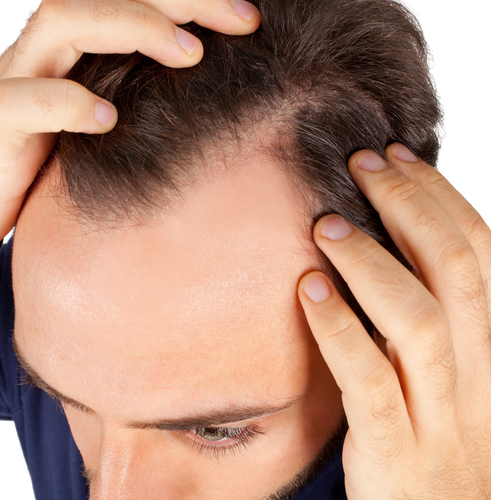
Within the wide range of procedures that exists in the world of aesthetic medicine, we find ourselves with the Hair Transplant in Delhi. It is a very effective alternative to repopulate the scalp that has lost the original hair for various reasons. There are many people who suffer premature hair loss, this being a problem that has a direct impact on the self-esteem of people, mainly women, although baldness is usually a problem that affects men more.

Despite its price, the fue hair transplant in Delhi is the best alternative to recover lost hair and today we will try to solve some of the most common questions on the subject.
  1. What is the Hair Transplant in Moradabad?
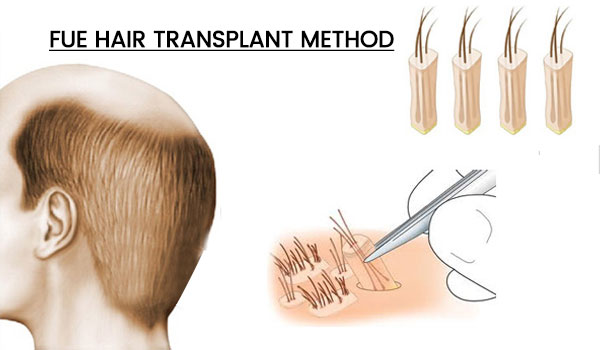
It is a procedure based on a method called "Extraction of follicular units", which consists of extracting small groups of hair (follicular units) from an area of ​​the scalp and then inserting them into the recipient area. With this procedure it is possible to definitively correct hair loss.

The follicular units extracted in the hair transplant FUE, are groups of 2, 3, 4, or more hairs, taken in their natural form, as they are found in the scalp. After being taken, hair-to-hair micro-grafts are performed, until they reach a redistribution, in the areas affected by the lack of hair.
  1. Is it permanent, or does hair fall back?
The success of this procedure and the durability of its results is due to the fact that the FUE Hair Transplant in Meerut takes the follicular units of the posterior area of ​​the head, which does not receive hormonal stimulation, therefore it lacks enzymatic hyperactivity and that makes them follicles that are genetically programmed to not shed their hair.

Of course, the effectiveness of this procedure will be mainly due to the skill of the hair transplant surgeon in Delhi, as well as to the precision in the application of the techniques involved in the FUE capillary transplant process.
  1. Does the FUE hair transplant in new friends colony have side effects?
Keep in mind that, as with any surgical intervention, there are some side effects that may appear, depending on the particular case of each patient. Some of these side effects are the following:
  • Infections: which may be due to improper subsequent care, not following the suggestions indicated for recovery, etc. Also to problems of healing in patients with diabetes or a specific health condition.
  • Loss of sensitivity: the loss of sensitivity, which can be notorious and very annoying for some people. It is also normal in any area of ​​scarring and disappears in less than 4 weeks.
  • Facial edema: this occurs in only 5% of cases and is an inflammation that affects even the ability to open the eyes, but that usually yield after a few days of rest and with proper care.
It is good to clarify that although these side effects may seem very negative, the truth is that they can be avoided and treated following the indications of the hair transplant doctor in Delhi, they are also minimal when compared with the excellent final results that will be obtained after the procedure.
  1. What are the care needed after the operation?
Each placed implant is really delicate, for this reason, it must be very careful after the procedure at hair transplant center in Delhi. It is advisable to spray the area with saline every 3 hours during the first 3 days. Then you can start washing the area with the products recommended by the specialist. The idea is to protect each follicle until they form a crust, which must fall on its own from the tenth day. It is vital to follow the indications to the letter.
  1. How to know if I am a good candidate for a transplant?
In general, it is recommended for anyone but not all people are suitable for this intervention and some may require special care for recovery, as in the case of diabetics and those who suffer from autoimmune diseases such as lupus.
  1. Can women get this treatment?
Although it is a very sought after procedure for men, hair implantation for women is equally feasible to perform.
  1. Is there an age limit for this procedure?
There is not. FUE Hair Transplant in Noida can be performed at any age, as long as the person maintains a good state of health.
  1. When can you return to the normal routine?
The total recovery will take two weeks as a general rule, provided that all the care and recommendations that the doctor indicates are followed to the letter.
  1. How long will the results be noticed?
There have to be more patience. Once the hair transplant is performed without surgery and the recovery time is over, we will have to wait at least 8 months to start enjoying the final result, although from the third month on we will begin to notice the growth of the new hair.
  1. Is it a very expensive treatment?
In reality hair transplantation can be considered an expensive treatment, however the benefits it brings far exceeds the cost, also eliminates the use of products to stimulate hair growth which can be very expensive. The ideal is to evaluate the service offer of aesthetic best hair transplant center in Delhi and decide on the one that seems most reasonable without putting the final result at risk.

Monday, 1 April 2019

CARE BEFORE AND AFTER A HAIR TRANSPLANT IN DELHI

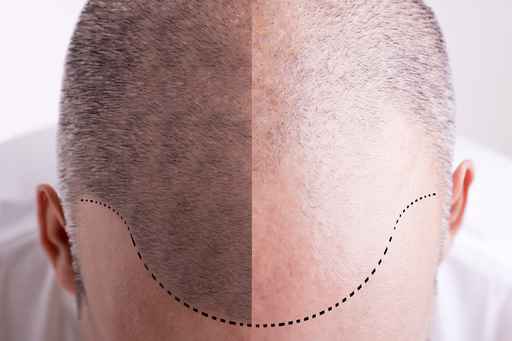
Hair Loss - Before and After

CARE BEFORE AND AFTER A HAIR TRANSPLANT IN DELHI

We must know that it is so important to place yourself in the hands of a qualified professional in hair transplant surgery and with experience, as well as the preoperative and postoperative care of this transplant.

When deciding to perform a hair transplant in greater kailash, we logically seek to obtain the best possible results. Currently, the techniques and procedures have advanced a lot so that the results are usually optimal. In any case, we must consider that some care must be taken, both before and after the transplant, to achieve the expected results.

Before the transplant

The care before the hair transplant in faridabad begin one or two weeks before the procedure. At this time, we should not take any kind of anti-inflammatories, aspirin or follow any anticoagulant treatment.

Also, before a fue hair transplant in Delhi, you should drink plenty of water, especially the day before, to keep the body hydrated.

It is essential that the previous days do not consume any alcohol. Neither will be recommended drinks that contain caffeine or some other stimulant.

It is also not advisable to smoke, since it can be a cause of infection, causing greater scars or sacrificing the survival of the grafts. Finally, the day of the operation at hair transplant clinic in Delhi, you should wash your hair with a normal shampoo, avoiding using any other product.

After the transplant

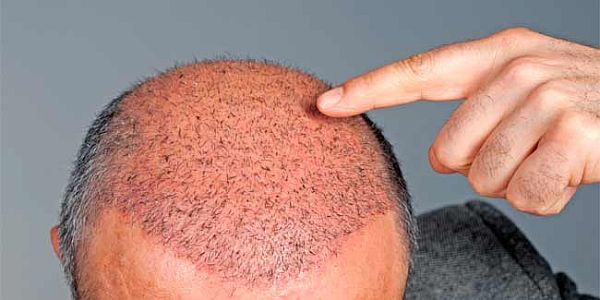
And after the hair transplant? What do we do? Once the transplant is over at best hair transplant clinic in Delhi, a delicate phase begins in which one must be very careful. It is essential not to touch the receiving area of ​​the grafts, as it will be sensitive, and we will need to let it rest.

During the first days, you should avoid taking aspirin or alcohol. In the same way, you cannot make any kind of physical effort or sport in the following week.

It is important that you do not tilt your head forward, as it could cause some episode of bleeding. The sun exposure is also totally forbidden in the following month. Whenever possible, our head should be covered with a cap. Logically, you cannot go to saunas, or swim in beaches or pools. To finish, it will be best to sleep on your back, trying to make your head higher.

Monday, 25 February 2019

Hair loss in men: Should a transplant be done?

Hair-Loss-Treatments-And-Solutions-For-Men

Many are proud to be bald, but what if you are not ready to be bald yet? Maybe you have tried a medication to delay hair loss that is already noticeable. If that has not taken effect and hair loss is making you lose sleep, maybe it's time to think about getting a hair transplant, says hair transplant surgeon in Delhi.

Hair transplants have been perfected since the days when men ended up with isolated strands of hair that made them obvious. Now the results are much more natural.
Hair transplant in Delhi usually costs a lot. Before deciding, find out what results you can expect and if you are a good candidate.

Are you a good candidate for a fue hair transplant in Delhi?

You should have enough hair on the back and sides of the head to transplant it to the points with little or no hair. Your hair transplant doctor in Delhi can tell you if you are a good candidate.

Transplant procedure

The surgeon removes small patches or scalp grafts from the spots where hair continues to grow. These can be micro grafts of just one or two hairs, mini-grafts of a few hairs or larger grafts of up to 40 hairs.

The grafts are inserted into tiny grooves or holes that the surgeon opens in the bald parts of the scalp. Individual hair grafts are usually used to make the hairline look natural. The mini grafts go behind and then the large grafts, so the hair becomes denser gradually. The hair on the back and sides of the head will usually grow all your life, so do not worry about losing it after it is transplanted.

The procedure can take up to eight hours, but will go home the same day. Depending on the density you want and the portion of the scalp to be covered, you may need several sessions of surgery and take several months between one and another before it heals completely. The whole process can take up to two years.

Recovery after a transplant

You will feel pain, discomfort and swelling one or two days. After several weeks, most of the transplanted hair will fall out. This is normal. It will grow again in three or four months, approximately half an inch per month.

You will also have to take the drug finasteride for an indefinite period of time to avoid losing more of the hair that grows naturally. Among the rare side effects are sexual problems such as erectile dysfunction.

Transplant risks

In general, the best hair transplant in Delhi is considered safe, but the risks include:
  • Infection 
  • Bleeding and some scars
  • Hair growth in patches, which can often be corrected
  • Rejection of grafts, which may mean that the transplant must be done again
Other surgical procedures for hair transplantation

Hair transplant is the most common way to fill your tickets. Others include:
  • Reduction of alopecia or scalp. The surgeon removes the bald scalp and stretches the remaining one to replace it. This can be done together with a transplant. It is only an option if it is possible to stretch the scalp sufficiently. If you keep losing hair, it may require more surgery.
  • Skin grafts or reconstruction of the scalp. Part of the scalp is replaced with a skin graft that still has hair. This type of surgery is usually reserved for scalp problems that were born or were the result of an injury.

Sunday, 17 February 2019

Things you should not do after a hair transplant

hair transplant

Everything we should not do after a hair transplant in Delhi

Often, many of those who seek information in relation to the process of best hair transplant in Delhi find an endless amount of information related to the care they must carry out long before the process until a few months after the transplantation. However, it is much more complicated to find information on everything that should not be done when you decide to undergo a hair follicle graft.

Hence, we have marked the goal of, with this blog, detail everything that should not be done after a FUE hair transplant in Delhi, starting from the maxim that if prior care is important, the subsequent attention we give to Our scalp in particular and our entire organism in general is no less.

Things you should not do after a hair graft

Do not smoke and do not drink

According to hair transplant surgeon in Delhi, one of the first things that the grafted future will hear is that during the whole process of hair transplantation you cannot drink alcohol or smoke. The reason is very simple, the substances that contain these 'soft drugs' dilute the blood and facilitate bleeding which will not help to repair the scars and wounds that we will have to attend after the transplantation. This restriction will last at least three days after having undergone the operation. As for nicotine, since it prevents the correct flow of blood to the grafted follicles, we must move away from the fumes for at least a month after the transplantation to ensure that the new hair grows correctly.

Do not touch the scalp

A grafted view should not touch the new hair. While it seems a simple restriction to comply, the truth is that once you start to notice some itching or discomfort in the area of ​​the leather the instinct is to reach for that area of ​​the body. Despite the desire we must abstain because touching the hair in this phase of grip runs the risk of damaging the graft before it remains fixed.

Do not lean or lift weight

The two days following the hair transplant in Faridabad are very important, so it is recommended that the patient neither incline nor lift anything that entails an effort. In this way we will be able to keep the bleeding and recovery of the grafted area at bay. That is why it is recommended to stay up all day with the head area up, even when sleeping.

Do not wash your head on the day of surgery

In the first 24 hours after the hair transplant in Noida we will have completely forbidden to wash our hair. In fact, we will not be able to do it, despite the discomfort that this may cost, until our doctor assures us that our scalp is ready to be touched lightly and carefully, as should the washes during the first days. When that day arrives, you should use cold water and a very weak jet that does not directly impact the leather area until at least five days have passed.

Do not remove any scab

As you will be informed, after the operation of hair transplant in South Delhi, scabs will form on your scalp around each transplanted follicle. Well, even if you have the temptation, do not even think about removing these crusts. They must be dropped naturally so as not to cause an infection in the body or damage the grafts.

Sunday, 3 February 2019

Process of Hair Regrowth After FUE Hair Transplant in Delhi


The FUE Method is a pioneering surgery for hair transplant in Delhi that generally results in a remarkable increase in hair density after a single treatment. The hair transplant surgeon in Delhi faithfully imitates the way in which hair grows by nature, resulting in practically undetectable results.

FUE hair transplant in Delhi is one of the most modern methods for hair restoration, and offers outstanding results with a minimum recovery period. The technique FUE of Hair Transplant in Faridabad removes small clusters from one to four hair follicles of a donor site on the head or body of each patient using a scalpel and transferred to the upper and lateral areas of the head where hair is thinning.

FUE hair transplant procedure is a simple outpatient surgery. The complete transplant can be done in a day. Unlike previous methods of hair restoration, the technique does not produce linear scars in the area of the donor or recipient and thus make it reliable method for best hair transplant in Delhi.
For most patients, the biggest challenge of a hair transplant in South Delhi is to anticipate the results.

It may take up to a year before you see the full results of the hair transplant.
Here is a very complete timeline referring to everything you can expect after the FUE surgery, and what you should do to maximize your results during that year.

Method Step By Step
It may seem an important decision but in reality, it consists of a minimally invasive, low risk procedure and has very few complications, with which, more and more people choose to restore their self-esteem and image through this intervention. However, it is worthwhile to be very well prepared so that the recovery process does not surprise you. Let's analyze in detail the follicular unit extraction (FUE) process and what happens in the weeks and months after hair transplant in Noida

The day of the intervention
The shape of her new hair is noticed immediately after the FUE transplant is completed, with the follicles implanted in their respective place. It is normal to have some mild sensitivity, pain, redness or swelling. That same day, you will receive postoperative advice on the best way to take care of your transplant. These instructions may include sleeping with your head elevated or restrictions on washing your hair or showering.

Day 1 of hair transplant
This is a crucial moment for the results. It is time to remove the bandage from the donor area and gently clean the dried blood with a damp cloth or sponge. Transplanted grafts lose the scales at this time, so it is very important that you protect this area from any irritation, bumps, scratching, etc. At this point in the procedure, there is no reason why you cannot do normal life, such as going out, going to work, etc., although many people prefer to take a week or so. If there is swelling, crusting or redness it will heal completely within 5 to 7 days, which gives the transplant time to "reorganize".

The first 10 to 13 days
We must continue taking care of the newly transplanted grafts and follow all the postoperative instructions. In this phase, the donor area will have healed, beginning to grow in the new area again the hair without any pain, swelling or redness. It is possible that a scab forms around each new follicle. At the end of this period, all these scabs should have already fallen, and you can clearly see what the transplant area will look like. It should be noted that the hair that has been removed from the donor area does not grow back, but it is removed from a sufficiently well distributed, so that it is not noticed in any way.

Weeks 2 to 3
This is the stage that usually catches many surprise patients by surprise. About two weeks or so after the FUE surgery, you may have a heart attack when you realize that the newly transplanted hair is falling out. Do not panic! This is a normal part of the hair growth process in which old hair will fall out, but the follicular units remain totally intact and new hair stems begin to grow. After 20 days, the donor area can be cut by machine.

Months 1-4
The next few months after FUE surgery are the beginning of the growth phase for your newly transplanted hair. At this stage, new transplants will begin to emerge from your scalp as thinner strands. Any redness or irritation in the donor area should also be resolved at this point.

Months 5-9
During this phase, you will begin to notice a considerable amount of hair that emerges from the scalp. Towards the end of this period, the hair will begin to thicken, and you can cut or comb your hair the way you choose. The donor area will be completely cured by this stage. We also emphasize that before 6 months, you should not cut grafted hair, you can only cut with scissors from 3 months.

9 months later
At this point, approximately 80 percent of your new hair will grow and the results will be very noticeable. This stage of the process will give you a clear indication of how your final result will look.

One year later
On the first anniversary of your FUE surgery, your transplant process will be complete. Some people can continue to develop new hair even after a year, but for most patients, the one-year mark represents the end of the trip. As the hair grows, it provides a more complete appearance, as it will increase the volume of hair in the transplanted area. After one year, patients who suffered very advanced hair loss can now get another hair transplant in Delhi to add density to the same area that was transplanted the first time. 

Friday, 1 February 2019

Pros and Cons of the Hair Transplant

The first thing to consider is that not all people are able to undergo a hair transplant in Delhi. The first condition is that the hair loss has ceased, which is why in the case of men, age is also a determining factor and should not be performed in young people, but rather it should be expected that alopecia has reached its maximum expression.

Sex is another factor that affects the success of this procedure, since alopecia manifests itself differently in men and women: while in them, hair loss is concentrated in specific areas, in them it is distributed throughout the scalp lightening in all its extension.

In addition, in women not all areas of their hair respond equally when it comes to increasing hair density through a hair transplant in South Delhi, as well as the fact that there is less availability of hair follicles to implant. It is for all that while most men are good candidates, the same is not true for women, unless alopecia affects small and very limited areas, as is the case of a scar.

Finally, it is worth mentioning the fact that the results are much more visible in patients with dark and coarse or curly hair, since it offers an appearance of greater capillary density.

Experienced surgeons for hair implant
The hair transplant in Noida must be done by a hair transplant surgeon in Delhi and a very experienced and highly skilled team, since otherwise there are many factors that can affect the success of the intervention. Both the technique of extracting the follicular units and the treatment of them before being reimplanted are fundamental to achieve the survival of the greatest possible number of them both before and after the implantation. In addition, the results can also be unsightly if the transplanted follicles are not placed in the right number, in the right place and with a distribution that follows specific aesthetic criteria that allows to give the new hair a completely natural appearance.

pros and cons of the hair implant

Realistic goals regarding the hair implant
A good hair transplant doctor in Delhi should inform the patient about the results that can be obtained depending on their characteristics, so that the patient does not have an expectation far from reality. And this is especially important in the case of women. In men it will depend on the extension that should be repopulated and the sufficient availability of donor follicular units.

In each session, depending on the technique used, between 1,000 and 5,000 units may be required and the ideal hair density for good results should be 30 to 90 follicular units per cm2. In men with a very extensive alopecia you can use the strip extraction technique (FUT or FUSS) and even combine it with the FUE hair transplant in Delhi to obtain follicles from the sides, but you cannot expect to cover the entire alopecia surface equally. 

The good thing is that the hair that comes out of the follicular units transplanted will not fall, even though it is probable that not all of them will progress.

The hair implant is a surgery
The best hair transplant in Delhi is a surgical procedure that is performed under local anesthesia, so it is not painful. However, as such, it can have its complications in the postoperative period, such as an infection, an inflammation that can occur even with pain, or small scars remaining in the area where the implant was performed. However, it is not often that this happens. In the case that the FUT technique is used, the postoperative period will be longer and more annoying.
It should also be noted that in most cases, the hair of the follicular units transplanted falls after two or three weeks of the intervention. But in no case should be a signal of alarm and suppose a shock for the patient, since they will leave new hair from the three months and the roots will have been strengthened.

Tuesday, 29 January 2019

Frequently Asked Questions About the Hair Implant


What factors determine whether a person can or cannot undergo an FUE hair transplant in Delhi?
There are several. First of all, that the hair loss has stabilized, taking into account the pattern of a possible future hair loss. It is important to know the cause of alopecia and, where appropriate, treat it appropriately, to cut hair loss before proceeding to the implant. Then the density and number of follicular units available in the donor area (back and side of the head) must be determined, in order to have enough to cover the depopulated area. The characteristics of the scalp and hair can also condition the final result.

How long is a hair transplant session and how many are needed?
Each session of hair transplant in Delhi can last between 4 and 5 hours. As for the number of sessions, it will depend on the extension of the area that you wish to repopulate and the density that you want to obtain.

Is it necessary to be accompanied to a hair transplant session?
It is convenient since local anesthesia is used to perform the implant.

How long can you see the results?
Keep in mind that in the vast majority of cases the transplanted hair will fall after a week and will not start again until after three months (some before and others later), growing one centimeter per month, that the final results will not be clearly visible until at least 9 months have elapsed.

Frequently asked questions about the hair transplant

Does fue hair transplant the best option available?
FUE hair transplant uses hair follicles plucked from you back side of the head, leaving no scar. And if consider the result, it is the best hair transplant in Delhi giving almost 100% success rate.

Can you lose the hair that has been transplanted?
No. The hair on the nape of the head and the sides of the head are genetically programmed to never fall and will maintain this characteristic regardless of the place of the head in which they have been grafted.

Do all the follicular units that are implanted survive?
If the hair transplant doctor in Delhi involved in the hair implant intervention has the necessary experience, almost all follicular units will survive.

Does the transplanted hair require special care?
No. It will be enough to carry out the usual care that is carried out with the rest of the hair, even when it comes to the use of cosmetic products.

Can hair implants be made in other areas of the body other than the head?
Of course. In fact, you can repopulate eyebrows, eyelashes, areas of the beard and other areas of the body in which they have lost their hair, for example, as a result of a scar.

Can there be complications in the hair implant intervention?
It is a minimally invasive surgery, so complications, not frequent, will always be mild: infections, inflammation, redness of the skin, etc.